(In)Human Survival: The Biology of Elementals and More
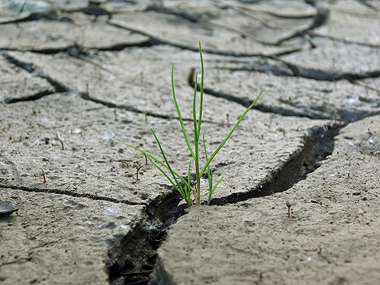
Image by pixabay.com / NMueller
I’ve been reading a fascinating book lately: “The Biology Of Human Survival” by Claude A Piantadosi, M.D. This relatively hard-to-find book from Oxford University Press deals with the biological processes by which humans react to various conditions, and hence the hazards posed by those conditions, in a way that is both technically accurate and yet accessible to the reasonably-educated layman.
Right now, I’m only in the latter stages of Chapter 4, the last of what I think of as the ‘foundation’ or ‘preliminary’ chapters before we get to the chapters dedicated to the different conditions that can threaten survival. And already I’ve been getting all sorts of ideas from it – and, somewhat surprisingly, most of them are Fantasy oriented.
Today’s article is going to present a paraphrased summary of selected content from those first few chapters and then look at the ideas that have resulted thus far. So, let’s get started…
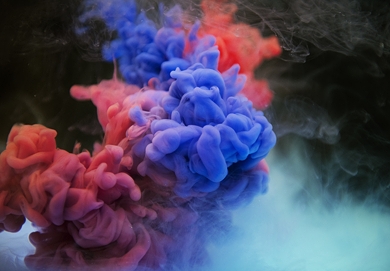
Is this a pair of Air Elementals in combat?
‘Color’ by pixabay.com / rawpixel
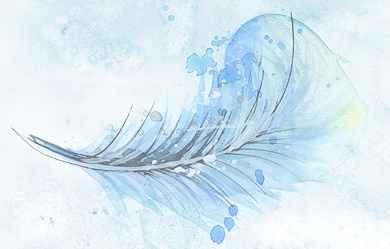
Or is this an Air Elemental?
Feather Image by pixabay.com / ArtsyBee,
cropping by Mike
Or this?
Butterfly Image by pixabay.com / ArtsyBee,
Background splash and foreground distortions (simulated perspective) by Mike
Basics Of Survival
Survival is achieved by optimizing conditions in three layers. Internal – within the body; surface – near the body; surroundings – farther away from the body. When conditions are incorrect for survival in one of the three it removes a protection that the body has against survival.
When the body encounters conditions that threaten survival it is called stress. The body has a great many reactions to stress which function automatically to reduce this stress. For example, in a hot environment, we sweat, lowering internal body temperature back toward a more tolerable level.
The central concept of a life-support system is to surround the organism with an environment that minimizes physiological stress, mimicking an environment in which the organism is comfortably able to survive.
Preparations for potential disaster/accident/threat may modify the specifics, but that doesn’t alter this fundamental principle.
Adaption
Human beings are amongst the most adaptable species on Earth, but the limits of biological adaption are far smaller than most people realize. About 2/3 of the Earth’s surface is salt water which we may visit briefly but can’t inhabit without technological intervention which produces an artificial environment either on the surroundings scale (submarine, mining platform) or surface scale (wetsuit, etc). When visiting, we can only cope with conditions at the surface, even if we carry a supply of oxygen. Of the remaining land, only human ingenuity and technological intervention permit survival in one half. The rest is too hot, too cold, or at too high an altitude, or is a river or lake – same problem as the seas.
Four critical variables determine the odds of survival in any situation. These are (1) The physics of the environment; (2) the limits of human physiology; (3) the duration of exposure; and (4) adaption, which includes behavioral responses such as what the victim knows about survival dangers and how to prepare for / react to such situations.
Complications arise because of the multidimensional nature of environmental stresses, for example, human physiological responses are different if an environment is hot and dry compared to one that is hot and wet, with some compounding the problem, and some mitigating. A further complication lies in body shape – size, weight, level of body fat, strength, etc.
All physiological responses are therefore a compromise between competing biological imperatives all with the purpose of increasing the potential for survival.
Racial distinctions are also important; every human organism carries a set of inbuilt adaptions to the environment. Some predate the emergence of homo sapiens as a species, and extend back to the first mammals, or even beyond; others have arisen as a result of occupying a specific environment for long enough that pro-survival traits have been the subject of natural selection amongst the population. Many of the differences between races, both overt and subtle, such as skin color, are the result of such adaption. Others, such as the Asiatic eye shape, confer no known survival advantage (yet) and appear simply to be random mutations that have been retained through the generations.
Is this a fire elemental? Or just an environment around the real thing?
Fire Image by pixabay.com / amaterate
Or is this a fire elemental?
Fire image by pixabay.com / 41330
Or perhaps this?
Fractal image by pixabay.com / astronira
Or perhaps this…
Element image by OpenClipart-Vectors,
‘shadow’ effect by Mike
Acclimatization
When exposed to an environment that stresses the organism, a process of adaption begins as the physiology responds to the stress. Some of the resulting changes are aimed at simply coping with the immediate stress, others have the effect of increasing the organism’s tolerance for the particular stresses being experienced in the contemporary environment. The latter is known as Acclimatization.
Not all environmental stress produces this effect; it has to exceed a threshold level, but not by so much that survival is imminently threatened.
Intensity and Duration of the stress are also important factors; the more extreme the conditions, the faster, more intense, and more numerous are the physiological adaptions. You can think of the organism as having a number of parallel responses to environmental conditions of different sensitivities and intensities, with the combination optimized somewhat through natural selection. Redundant responses tend to be lost or modified to remove the redundancy unless they confer some regularly-encountered survival benefit under other conditions. As a general rule, gradual adaption is more effective.
All such adaptive responses are completely reversible unless they have been maintained for so long that the underlying morphology (shape and structure) of the organ affected has been altered by the exposure. However, the time required for such reversal to occur is unrelated to the time required to undergo it in the first place; some are faster, others slower.
One example should be recognizable by just about everyone: we all get used to Winter as it proceeds, to a greater or lesser extent. The more extreme the cold temperatures, the greater this acclimatization. This makes us feel warmer on wintery days once our bodies have made the adaption. However, if warm weather intervenes with unexpected rapidity, even temporarily, not only will we feel the warmth more severely, but if it persists for a week or so, we may lose some or all of that adaption to winter – so a return to frigid conditions feels even colder than the same temperature did before the warm weather arrived. To some extent, of course, the advent of artificial warming and cooling has mitigated these adaptions and made us more prone to be dependent on artificial means for comfort.
Cross-Acclimation
The complexity of biological organisms is revealed by the phenomenon of cross-acclimation, which is to say the integrated adaption to environments with multiple or successive stresses. For example, adaption to the cold helps animals survive ionizing radiation but interferes with the capacity to survive even short-term exposures to a lack of oxygen. Adapting to a lack of oxygen (e.g. at high altitudes) decreases the shivering response to cold. These combine to make it harder to climb tall mountains in Winter than in Summer. On the other hand, acclimatizing to heat acts to increase tolerance for hypoxia.
It is known that adequate supplies of food and water are necessary for acclimation to occur. Manufacturing the compounds that trigger these effects takes energy, and the chemicals must then be transferred through the bloodstream to the locations where they can be effective. Even well short of the point of causing death, malnutrition and dehydration diminish tolerance to every known environmental stress. In particular, malnutrition impairs tolerance for cold and disease and dehydration to heat and cold. The combination of both in a cold environment constitutes a triple-whammy!
We’re still in the relatively early stages of understanding these complex interactions. More than 100 different neuropeptides and hormones have been discovered that are produced by the human body in varying amounts and combinations under the influence of different stresses. Many more are believed to be undiscovered. At least a dozen, for example, are able to influence the internal temperature of the body, while others may increase or decrease sensitivity to internal temperature in other autonomic responses, inhibiting reactions to body temperature increases in some cases and triggering them in others – depending on other conditions.
While reading this section of the book, I had the distinct impression that this aspect of biochemistry was still at a pre-Mendeleev equivalent stage. Before Mendeleev, a whole bunch of Elements were known to chemistry; he created the first systematic ordering of them, in the form of a periodic table, by virtue of which he was able to predict the discovery of, and some of the characteristic traits of, still unknown Elements. At the moment, we assume that there are more neuropeptides and hormones waiting to be discovered because we are still finding them, and have not yet accounted for all the physiological changed known to occur. Either some of the ones we know about have secondary effects, therefore, or there are more to be discovered. As yet, there is not enough known to systematically organize the knowledge we have on the subject, or at least, that’s my impression; and that means that we can’t predict the properties of the undiscovered chemistries, knowledge that would help us identify what to look for and where.
In other words, our knowledge on the subject in general is still rather Empirical.
Most of the molecules that we have discovered so far have both unique and redundant functions, which is to say that each has a specific role to play in regulating the organism and has other effects which are primarily the role of another such molecule.
Starvation: A side-note
People have been dying from starvation throughout human history. Around one million such deaths occur annually, even today, or about one in 6000. And yet, there is still a lot we don’t know about it. Some facts have nevertheless become clear:
- Death is only attributable directly to starvation in a small percentage of cases; increased susceptibility to illness and infection as a result of malnutrition is a far greater killer. This is especially true of children, where the numbers are 23% and 77%, respectively.
- Children, by virtue of the fact that their bodies are still developing, are prone to a host of complicating aftereffects from malnutrition, including a delay in mental development, a permanent decrease in intellectual performance, and an increase in childhood mortality from other causes.
- Physical stunting of growth is a primary effect of malnutrition and is often used as an indicator of starvation. There is good news from this indicator: stunting worldwide fell from 47% in 1980 to 33% in 2000. However, one third of all children in developing countries exhibits at least some stunting by the age of 5, with two-thirds of these being located in Asia, primarily south-central Asia; One quarter of the children affected live in Africa; and one-sixth live elsewhere.
- Predictive methods for death through malnutrition are more effective for men than for women. Men also tolerate starvation less effectively than do women. The reasons for these facts are unknown.
- Adults can survive weeks or months without food depending on the amount of fat on the body. A 70kg man can fast for about 70 days, losing all but 3% of fat and one-third of lean body mass (a small amount is essential to maintaining brain, bone marrow, and cell membrane functions). Death from starvation can occur at any point after 50% loss of body mass. During the Dutch Famine of WWII, previously well-nourished individuals survived a year of hunger followed by 6 months of severe starvation, all compounded by the stress of war and foreign occupation. However, while obesity may carry a greater store of energy for the body to draw upon, it greatly increases the risk of death from other factors. Finally, certain compounds are required for normal bodily function – vitamins and the like – and the lack of these can also cause death or disease long before the point of death from starvation is reached.
Types of Adaption
When you dig into it, there are 5 types of adaption that can occur (others may categorize and generalize these differently), the last of which has three notable sub-types:
- Intracellular responses
- Intercellular responses
- Macro-organic responses
- Metabolic function responses
- Whole-body responses:
- Tolerance
- Acclimatization
- Evolution
These are all important and interesting in their own ways, and – for our purposes – to varying degrees. A brief look at each is therefore in order (and also because their meanings might not be immediately apparent to the casual reader):
Intracellular responses
Internal responses within a cell. Quite often, different cells will have different intracellular responses to different stimuli. People have absolutely no direct control over these responses; they are often (usually?) part of the internal regulatory systems that keep the organism alive. However, some of them can have both direct and indirect effects on mental state, such as triggering the fight-or-flight response.
Intercellular responses
The way cells interact (and bonding together into an organ is a type of interaction in this context) is the second order of response. Quite often, chemicals released as an Intracellular response will bond to receptors on the walls of other cells, modifying the behavior of that cell. Some can even change the shape of the cell, which in turn produces changes in the shape of the organ.
Macro-organic responses
Changes that affect the functioning of an entire organ constitute the third level of response to an environmental stress. As indicated above, such changes are often the result of intercellular responses by those specialized cells that constitute the bodily organ. There are often several orders of response, trading responsiveness for effectiveness and overall impact. A quick response will normally be the least effective but most responsive; a slower but more more substantial response follows if the stress has not been abated by the “quick response”. Another way to look at it is “The more significant the alteration, the more difficult it is” – sometimes, interim responses do nothing but prepare bodily systems for the change that might be forthcoming.
Metabolic function responses
Macro-organic responses can result in a change in a specific metabolic function of the organism, shutting some down and putting others on overtime. In effect, the organism changes the way it functions in response to the stress. For example, in response to infections, the internal body temperature changes to a value that is inimical to the propagation of the infectious agent, and – through layers of such responses – fever continues to climb in an attempt to make the body a more hostile environment for the viral or bacterial agent to operate in. At the same time, digestive processes slow (so appetite is reduced) (on the principle that food supplies are as readily available to ‘the enemy’ as to the cells that make up the body), breathing alters (changing the acidity levels of the blood, another ‘hostile environment’ factor), and production of white blood cells goes through the roof to combat the infection.
Many medications stimulate or cause similar effects. For example, my Diabetes-management medication causes my liver to approximately triple its activity levels, increasing my need for fluid intake and flushing more sugar out of my bloodstream.
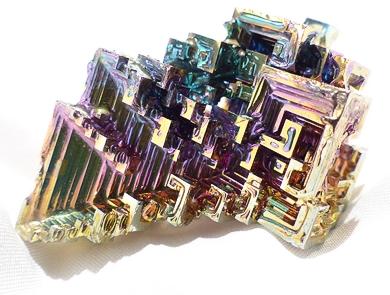
You might consider this an Earth Elemental.
Bismuth “glazed includes” image by pixabay.com / Hans
Or this might inspire you.
‘decor’ image by pixabay.com / MR1313
Background splash by Mike
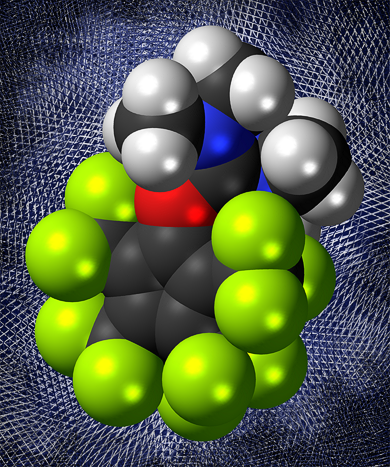
I know at least one GM who used something like this to depict his Earth Elementals.
tetra-methyl-uronium rendering by pixabay.com / WikimediaImages,
Background by Mike
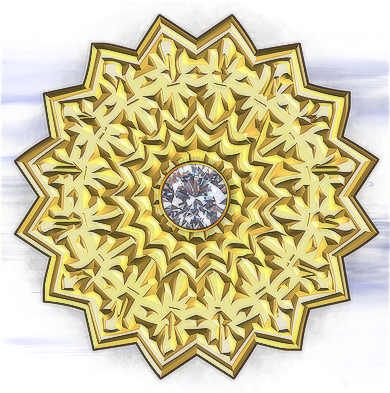
…and this is a valid if unusual choice.
‘gold’ image by pixabay.com / peachpink,
background and additional fill by Mike
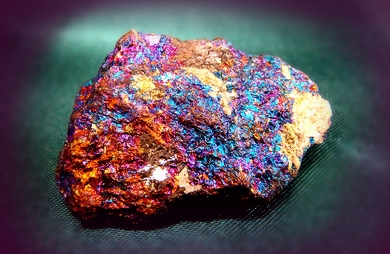
It’s always hard to ignore this as a possibility.
‘bornite’ image by pixabay.com / CoffeeVampire

…and this is, perhaps, the most traditional interpretation.
‘beach’ image by pixabay.com / Pexels
Whole-body responses
Of course, it’s a short leap from altering individual metabolic functions to altering the way the organism as a whole copes with the situation – often requiring nothing more than a change in perspective. In fact, this is where medicine started. But this becomes significant in conjunction with the point made earlier – that the ‘switching off’ of a response takes place at a different rate to the ‘switching on’ of that response.
This poses a natural enhancement to survival rates, because it means that, having recently encountered a significant environmental stress, physiological processes remain primed to cope with a recurrence for some time.
In general, laymen think about responses as taking fractions of seconds, seconds, or – at most – minutes. Some are actually more substantial, if more subtle, and take hours, days, or even weeks to manifest – and to switch off. And some responses, at this scale, can be permanent once triggered.
This becomes clearer when you look at the three sub-types of whole-body response.
Tolerance
“Tolerance” is the capacity for the organism to achieve stable equilibrium with it’s environment in a shorter period of time. In other words, once you get used to a particular condition, you become able to get comfortable in those conditions more quickly. This usually occurs at the expense of tolerance for some other conditions that are not so regularly encountered. My personal experience is that Tolerance is acquired more easily with youth. I will never forget wearing a short sleeve shirt one day in 1981 and being perfectly comfortable, dressed that way, outdoors, while it was snowing. Only lightly, but snowing, nevertheless.
My personal experience is also that tolerance is also relatively fragile – constant temperatures and especially constant levels of windchill are required. Gusting winds, regardless of the external temperature, repeatedly activate more short-term responses or deactivate them, disrupting the stability of tolerance.
One way of looking at tolerance is that the baseline environment of the organism becomes altered to match the most frequently-encountered conditions, and it is this perspective that places Tolerance in the whole-body category. In reality, of course, it is compounded from lower-level responses that have not yet fully deactivated from the last time they were triggered.
It is also important to note that there are limitations to Tolerance. No matter how much underwater swimming you do, you will never become Tolerant to the point of being able to breathe in that environment. What will happen is that lung capacity will improve, capacity to withstand changes in pressure may improve, capacity to tolerate temperature changes as one descends may improve, muscle responses and even the shape of individual muscles will alter to become more efficient at moving in that environment, and so on.
Acclimatization
The second type of whole-body response requires more long-term exposure than mere tolerance, which can be acquired in days or hours (depending on the severity of the conditions encountered). This is Acclimatization, which was discussed at length earlier in this article.
Acclimatization can take days or weeks to manifest, and more days or weeks to be lost. In fact, it’s probably more accurate to speak of it “diminishing” or “increasing” over such spans. A span of (relatively) warm weather in mid-winter may cost you some of your acclimatization, but – depending on the duration and intensity – probably won’t completely reverse it. That takes the change of seasons to achieve.
There can also be an argument made that some acclimatization processes take years or decades to be lost. I am used to the weather that I encounter where I live (Sydney); even moving just a few hundred miles away would produce subtly different climatic patterns that would not quite match up. Some days would be comfortable, but a greater percentage of days would not – until I again Acclimatized.
It should also be noted that Acclimatization to conditions in which comfort is more easily achieved is more rapid than acclimatization to extremes. Thus, when capacity for Tolerance shrinks with age, we are drawn to warmer climates (but not hot ones) where the demand for Tolerance is reduced. Ideally, for maximum comfort, we would migrate like the ducks, flying south (from the North American / European perspective) for the Winter, and returning north for the Summer.
Evolution
Random mutations that confer an advantage when particular conditions are experienced occur all the time. Until such conditions are encountered, provided that they don’t also cause a concomitant survival liability, there is no particular reason for these potential traits to either spread or to be lost. However, when the triggering conditions are encountered, these mutations confer a notable survival advantage, and so tend to spread through a population.
Sometimes, they confer an advantage that outweighs an inevitable liability, because of a particular stress that will routinely be encountered. That’s why black people are susceptible to sickle-cell anemia – it’s the side-effect of an evolutionary advantage because it confers greater resistance to Malaria. Only a small percentage of the population are affected by the susceptibility, but a large percentage of the population would encounter malaria over the course of their lifetimes – and so this particular double-edged sword has spread widely through this population group.
Were it not for the use of technology to sustain individuals afflicted by such hereditary diseases, the spread of black populations to areas in which Malaria is encountered far more infrequently – a socioeconomic phenomenon – would have commenced a process of racial divergence that would eventually split the two populations into different races.
Of course, these are extreme examples. Most are not so dramatic. But even a slight propensity for the more efficient metabolizing of food can confer an advantage in an area where famines occur more regularly. The more subtle the advantage conferred, the more it will be drowned out by other factors, and the more slowly it will spread through a population.
Extrapolating too far along this line of thought brings the conclusion that an analysis of the prevalence of a particular racial feature can derive a direct measurement of its’ value in terms of survival, for example, comparing the incidence of fair-haired people in (say) France or England relative to Scandinavia. What’s the percentage of dark-haired Spaniards? The conclusion is at least partially fallacious because it assumes that survival is the only factor at play. Where it not for that, you would be forced to conclude that being red-headed was a pro-survival trait amongst certain population groups.
Why all this is useful knowledge, I: Aging
Aging is the biological process of growing older. As a condition that afflicts everyone who lives long enough, it seems only natural that humans would evolve to become more long-lived. Unfortunately, there are far too many external factors to assess with any certainty that such selection is taking place. Certainly, the ability to produce offspring at a more advanced age would inevitably increase the propensity for an individuals genes being passed on.
If we view aging as the symptoms of an ‘environmental stress’ (time), and apply the concepts described earlier in this article, it becomes possible to devise a system for the simulation of aging in humans for use in an RPG. This approach seems eminently reasonable when the leading contenders for the mechanisms of aging are considered: accumulated damage to metabolic systems and processes, and accumulated transcription errors in the DNA when cells reproduce.
We could stipulate, for example, that from the commencement of adolescence to the achievement of adulthood, characters gain the benefits of 5% of their ultimate (mature) CON every 2 years, and that prior to this time, the rate is 5% per year, rounded down.
Adolescence generally starts at about 10 years of age, give or take, and adulthood is roughly 20 years of age. That’s a 10-year span, so characters get the last 25% of their CON between those years. That also leaves 50% of their CON to be acquired from Birth to 10, so the newborn’s con is effectively 25% of the adult. A healthy child is more likely to become a healthy adult, and there is enough of a difference to be noticeable.
More to the point, tracking HP “bonuses” from CON backwards in time on this scale shows how narrowly the margins of survival can be – a typical human can end up with a birth CON of 2, giving them d8-4, or perhaps d6-4, hit points. Of course, if this yields 0 or less HP, the individual might not survive long enough to become an adult! At best, they will have 4 (or 2) HP – which isn’t a lot of margin for the survival of illnesses and accidents. This yields a fairly reasonable simulation of child mortality rates prior to the technological age, for all that it seems extreme by modern standards.
Of course, we already know that adults in the game have survived this experience. So our attention turns to the other end of the scale. Every d10-1 years, starting at age 25, the character has to make a CON save at DC5+Age or lose 10% of their current CON (round loss down, minimum 1).
Some spans, the character will age rapidly. Some spans, they will decline slowly if at all. This rule actually combines a number of very subtle considerations that are worth noting:
- ‘their current CON” – this means that a character may be able to survive more than 10 failed rolls. For example, a character with CON 16 would lose 1 CON for every failed roll – so they could theoretically fail 16 times before dying of old age. At average CON levels, that changes to 10 failed rolls.
- It also means that characters become frail a lot faster than they die, which is an accurate modeling of reality. That in turn makes survival through the last stages of life as problematic as infant survival was; when you only have 1 or 2 HP to your name, any accident or illness can be fatal.
- The roll required keeps getting harder. There will come a point where failure is automatic. The higher the character’s CON, the longer this can be delayed.
- The average of a d10-1 rolls is 4.5, which means that characters ON AVERAGE will have to make two saves every 9 years, starting at age 25. So, 25; 34, 43, 52, 61, 70, 79, 88, 97, 106, and so on are 1, 3, 5, 7, 9, 11, 13, 15, 17, and 19 rolls, respectively, on average.
- My rough calculations say that a CON 10 character will die of old age at about 70 years of age on average, but poor rolls on the d10-1 can drop this substantially. Higher CON characters will tend to have higher lifespans, but again, can die more quickly. In rare cases, good rolls may yield a considerably greater life span.
Another way of interpreting all this is that we are constantly aging and repairing the damage that results, but gradually lose that capability as we grow older.
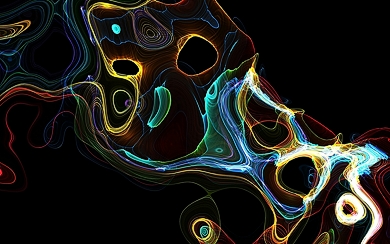
This might be what you imagine a Water Elemental to look like…
‘Abstract’ image by pixabay.com / Prawny
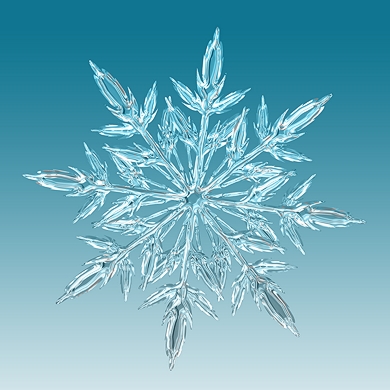
…or you could pick something like this – I have, more than once! Or… well, you get the idea.
‘Ice Crystal’ image by pixabay.com / geralt
Why all this is useful knowledge, II: Elves
With this new view of aging, it becomes trivially easy to describe a biological mechanism by which long-lived species like Elves last as long as they do. For example, a cell reproduction mechanism in which two cells combine to become four, rather than the simple mitosis of human cells, would enable a tell-me-twice DNA test that greatly reduces transcription errors, slowing the aging process. Other mechanisms are also possible; this is just an example.
This becomes interesting when you start thinking about the consequences. The cell reproduction mechanism described, for example, would also slow growth and healing of injuries, but would make it far more likely that an individual could heal an injury that would kill a human. It would spread infections through the body faster, but also assist the Elf in overcoming them more quickly – so fevers would be shorter and sharper. At some point, though, a critical threshold would be reached in which the fever won the battle – so death from fevers and infections would be both more rapid and more likely. Overall, the risks to the species wouldn’t change; but the fine details would be just different enough (and all plausibly-connected for verisimilitude) to establish the long-lived as a different species.
Why all this is useful knowledge, III: Elementals
And that signposts the way to the real value of this subject – considering non-human species from other environments and making these more “real” by understanding how their biology (or equivalents) function.
In turn, that could suggest new abilities for such creatures. In cases where such nascent potentials are realized, I tend to refer to the creatures as “Noble” or “Royal” Elementals.
A functional approach
Rather than a really abstract approach requiring a lot of technical detail and understanding, it is sufficient for our purposes to take a broader, more abstract, more generalized, more “conceptual” approach. This has been in the back of my mind throughout the writing of this article, and was – arguably – the original point that I wanted to make. As writing has proceeded, I have been contemplating the alternatives, and the one that I kept coming back to as the one that made the most sense from a practical point of view is a functional approach.
To that end, I have listed 12 essential biological functions below. Any organism should have some process that replicates these functions for the organism. Detail each, making them as unique or common to all Elementals as you like, and you define the basic biology of the species. Each answer can suggest one or more interesting abilities or traits, or can simply provide an interesting detail about the race.
Cohesion
Something binds the organism together. In humans, that’s the job of the skin. It can be tough or pervious to material objects, it can be natural or inherently magical, it can be some form of force. Depending on its nature, it may be easier or harder to knit back together when it is penetrated.
Structure
Something keeps incompatible biological processes separate. In the human body, these are performed by discrete organs, which are held in place by the skeleton. Other arrangements are obviously possible – just look at the sheer variety of structures and shapes we have found amongst other life-forms here on earth. One option that is always fun if justified by the native environment is some form of adjustable morphology (i.e. shape).
Sensory
Humans have multiple senses. Some have suggested as many as 13. Some senses tell us about our internal status, some about our bodies relative to the world around us, and some gather information directly about the world. What would appropriate analogues be for the organism under consideration, what can they perceive as a result that we can’t, what can they not that we can?
Communication
In order to facilitate communications, you need to be both Send and Receive information through the normal medium with which the body is surrounded. This may be achieved through the senses already defined, or it might be that a new sense is required.
Rationality
Every sentient race needs some analogue of a brain, even though it may be distributed throughout the organism in some cases. And this needs to be protected from harm. Depending on the communications method chosen, you may even be able to externalize it, leaving it behind and out of danger.
Manipulation
Every sentient race needs some means of manipulating their environment. In many cases, these will be the source of the usual attack forms, so that can provide a clue, but it might also be something completely separate from the natural weapons.
Mobility
Every sentient race needs some means of moving around their natural environment, seeking nourishment if nothing else. How do the creatures move?
Ingestion
For that matter, what do they consume? Humans need air, water, and food. What do Elementals need? This begins the process of transforming an environment into an ecology which is the natural habitat of the species. Don’t ignore the possibilities for inspiration, but don’t get too side-tracked either; other processes also need to be contained within the environment..
Distribution
The nutrients need to be broken down into useful form (digestion) if they aren’t already and then distributed through the body of the organism – the function of the blood and heart in the human system. But this also conveys response agents, and that can be significant.
Waste Disposal
Once the nutrients have been extracted, there’s usually something left over. This needs to be removed, and there needs to be some process in the natural environment that recycles it. What’s more, most species do not thrive when living in their own wastes, humans included; so think about the diversification of the environment needed to explain this. This continues the process of transforming an environment into an ecology.
Healing
You should probably have been thinking about this already, prompted by the “Cohesion” and “Distribution” functions. But it’s time to get specific – how does the organism react to damage? Is it vulnerable to any particular type of damage as a result, and/or resistant to one? Can such vulnerabilities be used as a clue to the original question? Can they be overcome by the intelligent manipulation of the environment, just as humans use clothes and fire? This question begins explorations of the social structures of the race in question! Again, don’t fall into the trap of getting distracted, there’s still more.
Reproduction
How does the species reproduce? There are several different techniques employed by life on earth that you can draw on for inspiration. For example, one variety of elemental might “bud”, in the process transferring half of it’s memories and skills to the progeny, effectively creating two identical individuals with completely divergent experiences and personalities where once there was one. If you think that makes this variety of Elementals too powerful, you can specify that there is a percentage of the information that is lost, overwritten by redundant copies of the information that HAS to be transferred (such as how to move).
Personal Environment
Let’s throw a kong-sized monkey wrench into the works. Contemplate this: being summoned to the Prime Material Plane by a Wizard or other magic user exposes the elemental to an environment that is about as far removed from it’s native environment (in most cases) as it’s possible to get. How do these metabolic functions react? What are the consequences? How does the elemental survive? Is it like diving, where you can live within a hostile environment for a period of time before it kills you? Is it possible to develop a Tolerance? Is it possible to acclimatize to selected environments within the plane that might provide a refuge?
Be careful to maintain consistency; it’s always useful to contemplate the answers you’ve given already for inspiration each time you come to a new item. The more unified you can make the resulting variant creature, the more plausible you make it.
In the past, I’ve modeled Fire Elementals on Jet Engines, Water Elementals on single-celled organisms with self-polymerizing surface capabilities (reducing the effect of stabbing and slashing attacks), given Earth Elementals cryonic crystalline brains and cryogenic touches, and made Air Elementals the absolute masters of force-fields. But there are hundreds of alternatives to explore.
And, of course, it doesn’t stop with Elementals. The same basic principles apply to everything from Mind Flayers to KuoTua to Rakshasa. You don’t have to rewrite what’s canon, if you don’t want to; you can simply add to it.
Related Posts
There are a host of other posts that you might find relevant to this one (and vice-versa):
- Survivors Of The Underdark: A New Dwarven Paradygm
- Creating ecology-based random encounters [series of 3]
- Random Encounter Tables – My Old-school Way
- Not Like My Tribe – Sophisticated Primitives, Part 1
- Not Like My Tribe – Sophisticated Primitives, Part 2
- Inventing and Reinventing Races in DnD: An Introduction to the Orcs and Elves
[series parts 1-5] - Alien In Innovation: Creating Original Non-human Species
- A Population Of Dinosaurs and the impact on RPG ecologies
- Pieces Of Creation: The Hidden Truth Of Doppelgangers
- The Floi Af Loft & The Ryk Bolti [an adventure in 3 posts]
- The Age Of An Elf: Demographics of the long-lived
- Ergonomics and the Non-human
- By Popular Demand: The Ergonomics Of Dwarves

Discover more from Campaign Mastery
Subscribe to get the latest posts sent to your email.
Comments Off on (In)Human Survival: The Biology of Elementals and More